

A basement should be a solid, dry space in your home, not a damp and musty mystery. Unfortunately, basement wall leaks are a common issue that homeowners often ignore until it’s too late. Whether it’s a small stain or a steady stream during a downpour, water in your basement is never a good sign. Knowing how to detect water leaks in walls and how to repair them can save your home from costly damage.
Why Basement Wall Leaks Matter
You might think a little water isn’t a big deal. But over time, even minor leaks can cause significant headaches.
Impact on Home Structural Integrity
Water can weaken concrete, erode mortar joints, and stress your foundation. Over time, untreated basement wall leaks can lead to severe structural problems.
Effects on Indoor Air Quality and Health
Moisture is a breeding ground for mold and mildew. Once it spreads, it can trigger allergies and breathing problems in your family.
Damage to Belongings and Property Value
Stored items, furniture, or appliances in your basement can be ruined by moisture. Plus, signs of basement leaks where wall meets floor can turn away potential buyers.
Common Signs of Leaks on Basement Wall
Some signs are apparent; others hide in plain sight. Paying attention early can save you trouble later.

Visible Water Stains and Dampness on Walls
Brownish marks or peeling paint are red flags. If you see damp streaks running down the wall, there’s a good chance water is getting in.
Mold or Mildew Growth on Walls and Floors
Mold doesn’t just appear out of thin air. If you spot green or black patches, you likely have basement wall leaks.
Musty Odors Indicating Moisture Presence
A stale, earthy smell is a warning sign. Even if you don’t see water, a musty odor often means moisture lurks behind the walls.
Common Causes of Basement Wall Leaks
Understanding what causes leaks helps you fix the root of the problem, not just patch the surface.
Hydrostatic Pressure and Water Buildup
After heavy rain, the soil around your home becomes saturated. The pressure from the water pushes against your foundation and forces moisture through cracks.
Foundation Cracks and Settlement
As the house settles, small cracks form in the concrete. These cracks give water a path to enter your basement.
Poor Exterior Drainage and Grading Issues
If water doesn’t drain away from your home correctly, it will pool around the foundation. This increases the chances of basement leaks where wall meets floor.
How to Detect Water Leaks in Basement Walls
You don’t need to tear down your walls to find leaks, but you do need to be observant and methodical.
Leak Detection Techniques
Here’s how to do some simple checks on your own:
Visual Inspection During or After Heavy Rain
Look for wet spots on the walls or water collecting where the wall meets the floor. Timing your inspection during a storm is key.
Use a Moisture Meter to Identify High-Moisture Areas Inside Walls
This handheld tool helps spot hidden leaks you might miss with your eyes.
Tape Plastic Sheets to The Wall to Check for Condensation
If the plastic sheet fogs up on the inside, moisture is coming from the wall. If it fogs up on the room-facing side, it’s humidity in the air.
Professional Leak Detection Tools
When DIY methods fall short, the pros have the gear to pinpoint problems quickly.
Thermal Imaging Cameras
These cameras reveal temperature differences that indicate moisture inside walls.
Acoustic or Ultrasonic Leak Detection
Professionals can “hear” water movement inside walls using advanced audio sensors.
Infrared and Fiber-Optic Scopes
These allow detailed views into tight spaces without significant wall damage.
When to Call a Professional
Sometimes, it’s best to let the experts take the wheel.
Persistent Leaks With No Obvious Source
If water keeps returning despite your efforts, the problem may be deeper than it looks.
Water Appearing During Dry Weather
This could mean a plumbing issue, not just rainwater intrusion.
Concerns About Foundation Damage or Hidden Mold
Professional inspection ensures that you’re not ignoring a much larger issue.
How to Fix Basement Walls That Leak
Now that you’ve found the leak, it’s time to tackle it. Let’s explore your options.
Temporary Fixes for Basement Wall Leaks
These will buy you time but aren’t long-term solutions.
Waterproofing Sealants or Hydraulic Cement
These can patch small cracks and gaps where moisture seeps in.
Waterproof Paint or Coatings
Roll-on coatings block moisture from the inside. Just remember, they won’t stop water from entering from outside.
Managing Moisture With Fans and Dehumidifiers
Keep the area dry while you work on a permanent fix.
Permanent Repair Solutions
When you’re serious about solving the issue, here’s what works:
Repairing Foundation Cracks
Epoxy or polyurethane injections seal cracks from the inside out.
Installing an Interior Drainage System
A French drain or weeping tile system channels water away before it floods your floor.
Waterproof Membrane Installation
Installing a waterproof barrier on exterior walls blocks water from ever touching the concrete.
Is It Better to Fix a Leaky Basement From the Inside or Outside?
Inside fixes are easier and more affordable, but may not last. Outside fixes are more permanent but involve digging and higher costs. Your choice depends on the severity and source of the leak.
FAQs
Can You Live With a Leaky Basement?
You can—but you shouldn’t. Water damage gets worse with time and leads to costly repairs.
Is It Normal for a Basement to Leak When It Rains?
No, it’s not normal. Even during heavy rains, your basement should stay dry.
Do All Basements Eventually Leak?
Not necessarily. With good drainage and waterproofing, you can avoid leaks for decades.
What Is the Best Product to Stop Water Leaks in a Basement?
Hydraulic cement and waterproof sealants work well for minor leaks. Bigger problems need professional-grade repairs.
Let Us Help You Keep Water Where It Belongs
Basement leaks may start small but quickly spiral into significant problems. Whether it’s a tiny crack or steady seepage, you shouldn’t have to live with it. Now that you understand how to detect water leaks in walls and how to fix basement walls that leak, take action before the issue worsens. Don’t let basement wall leaks ruin your home’s value, safety, or comfort. Contact Advanced Plumbing & Drain in San Francisco, CA, for fast, effective basement leak detection and repair
Visit advancedplumbingsf.com to schedule your service today! Let the pros protect your home from the ground up.act us immediately to arrange a service and permanently stop the bubbling!
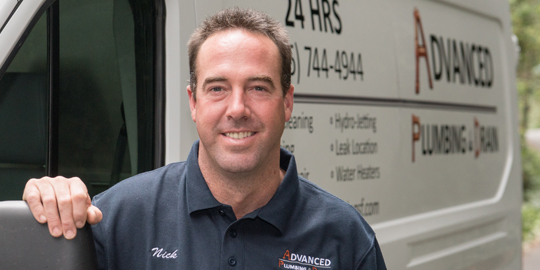
Meet Our Founder: Nick, Master Plumber & Owner
Nick is the owner of Advanced Plumbing & Drain, bringing years of professional plumbing expertise to the San Francisco Bay Area. Driven by core values of integrity and exceptional craftsmanship, he leads a fast-growing team specializing in comprehensive residential and commercial repairs, drain cleaning, and water heater solutions. Nick is dedicated to ensuring every job is completed right the first time, earning long-term trust across San Francisco and San Mateo County.


