
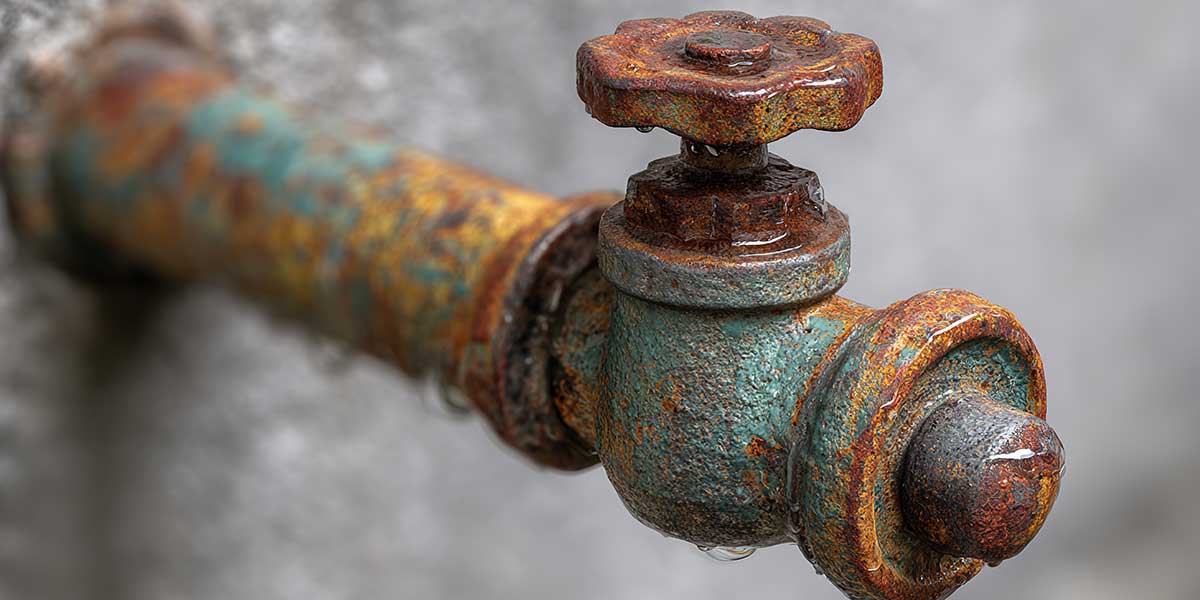
Have you ever spotted a green crust on a faucet or a rusty patch on a relatively new pipe? Living near the Pacific brings foggy mornings and ocean breezes, but that damp, salty air can quietly wear on your plumbing. If you are searching for plumbing services in San Francisco, CA, you may already suspect your pipes are paying the price.
In this guide, Advanced Plumbing & Drain will explain how coastal air affects plumbing and what you can do about it.
What Makes Coastal Air Tough on Plumbing?
Salty coastal air can corrode exposed metal components over time. Fog moving inland from the Pacific can carry salt particles that settle on faucets, pipes, and outdoor connections.
This is how coastal air can impact plumbing even several blocks from the water. Salt stays on damp metal and accelerates corrosion, especially when San Francisco’s humidity slows drying.
Which Pipes and Parts Take the Biggest Hit?
Outdoor spigots and exposed pipes in garages regularly face salt-laden fog. Over time, coastal plumbing damage can show up as pitting and weakened joints. If left unaddressed, corroded metal pipes can develop pinhole leaks.
Pipes Hidden in Walls and Crawl Spaces
Hidden lines are harder to protect because you cannot see the warning signs. Damp air can enter crawl spaces through vents, and moisture may linger. By the time a stain appears, the damage may have been developing for months.
Signs of Trouble on Your Faucets and Fixtures
Common signs of plumbing fixture deterioration include:
- Green or white crust: Green deposits can indicate copper corrosion, while white crust often comes from mineral buildup around faucet bases and handles.
- Flaking finishes: Chrome and brushed-nickel coatings peel, exposing the base metal.
- Stiff handles: Corrosion inside valves and cartridges makes handles harder to turn.
- Recurring drips: Worn seals and corroded seats allow water to escape.
Spotting these changes early gives you time to act before coastal exposure causes damage that requires a costly repair.
Why Do Minerals and Moisture Make a Bad Combination?
Coastal salt affects exposed surfaces, while minerals in the water can accumulate inside pipes and narrow showerhead openings. Plumbing components may therefore corrode on the outside and restrict water flow on the inside.
Hot water can encourage scale formation from dissolved minerals. As deposits build up, water heaters may need closer monitoring and more frequent maintenance.
Simple Ways To Protect Your Plumbing
A plumbing maintenance checklist makes preventive plumbing maintenance easier. Start with these habits:
- Rinse exposed surfaces: Wipe outdoor faucets and visible pipes with fresh water to remove salt before it promotes corrosion.
- Add protective barriers: Manufacturer-approved protective coatings can help shield suitable outdoor metal components.
- Control humidity: Use a dehumidifier where appropriate and have a professional assess crawl-space ventilation.
- Schedule yearly inspections: Regular checks can uncover small leaks and early corrosion.
These steps help limit long-term corrosion.
Why Do Older Homes Face Extra Risk?
Many older buildings in the city still have galvanized steel or cast iron lines, which corrode more readily than newer materials.
Plastic pipes do not rust, but nearby metal fittings and supports can. If your home is more than 50 years old, ask a licensed plumber what materials are present.
Frequently Asked Questions
Below are answers to common questions about coastal air and plumbing systems.
Can Salt Air Damage Plumbing?
Yes, salt air can damage plumbing by accelerating corrosion on exposed metal pipes and fittings. Over time, corrosion may weaken joints and thin pipe walls.
Which Pipe Materials Resist Coastal Corrosion?
Corrosion-resistant materials such as PEX or CPVC may suit some coastal plumbing applications. A licensed plumber can recommend an option based on how and where the pipe will be used and local code requirements.
How Often Should You Inspect Plumbing in a Coastal Home?
Many coastal homes benefit from annual plumbing inspections. Homes with older metal pipes or visible corrosion may need more frequent checks.
How Does Humidity Affect Plumbing Pipes?
Humidity can cause condensation on cool metal pipes, accelerating corrosion and encouraging nearby mold growth.
Keep Salt Air From Winning With Advanced Plumbing & Drain
Understanding coastal exposure helps you catch problems early. Our guide to recurring clogs from aging pipes explains how corrosion and buildup can restrict water flow and when repairs may be necessary.
Our team can assess corrosion and locate hidden leaks with minimal disruption. If coastal air is damaging your pipes, call Advanced Plumbing & Drain at (415) 744-4944 for help in San Francisco, CA, and surrounding communities.
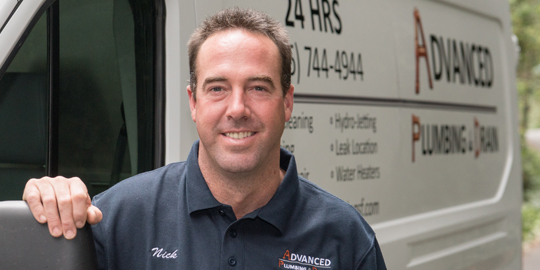
Meet Our Founder: Nick, Master Plumber & Owner
Nick is the owner of Advanced Plumbing & Drain, bringing years of professional plumbing expertise to the San Francisco Bay Area. Driven by core values of integrity and exceptional craftsmanship, he leads a fast-growing team specializing in comprehensive residential and commercial repairs, drain cleaning, and water heater solutions. Nick is dedicated to ensuring every job is completed right the first time, earning long-term trust across San Francisco and San Mateo County.

