

A broken or ageing sewer line is a homeowner’s nightmare. Digging up your beautiful yard, driveway, or landscaping just to access underground pipes sounds like a major hassle. Luckily, trenchless sewer repair offers a more innovative, less invasive solution. But how does trenchless sewer repair work, and is trenchless sewer repair worth it in the long run?
Let’s break down this modern method and explore why more people choose it over traditional digging.
What Is Trenchless Sewer Repair?
A Modern Alternative to Traditional Digging
What is trenchless sewer repair? It’s a method of fixing sewer pipes without excavating large areas of your property. Unlike traditional repairs that require complete trench digging, trenchless techniques use minor access points to repair or replace pipes underground.
Why Homeowners Are Choosing Trenchless Methods
Homeowners love the minimal mess. There’s no need to rip up landscaping, driveways, or sidewalks. Plus, it’s often faster and as durable as traditional sewer line repair. Less labor and less damage? That’s a win-win.
How Does Trenchless Sewer Repair Work?
Understanding how does trenchless sewer repair works helps you see why it’s becoming so popular. Here’s the typical step-by-step process:
1. Initial Sewer Camera Inspection
A small, waterproof camera is fed into the sewer line. This lets technicians locate the damage and evaluate pipe conditions without guesswork.
2. Pipe Cleaning or Hydro Jetting
Before repair starts, the line must be clean. Hydro jetting blasts water at high pressure to clear out grease, roots, and debris.
3. Choosing the Trenchless Method
Experts decide whether to use pipe bursting or Cured-in-Place Pipe (CIPP) lining depending on the issue. The choice depends on pipe damage, age, and structure.
4. Cured-in-Place Pipe (CIPP) or Pipe Bursting Installation
For CIPP, a resin-soaked liner is inserted into the pipe and hardened, creating a new pipe within the old one. On the other hand, pipe bursting uses a bursting head to break the old pipe and pull in a new one simultaneously.
5. Final Inspection and Quality Assurance
Once installed, the pipe is inspected again to ensure a flawless fix. This guarantees the sewer line repair was successful and meets all standards.
What Are the Two Most Common Trenchless Sewer Operations?
Cured-in-Place Pipe (CIPP) Lining
CIPP involves inserting a flexible liner into the existing pipe. Once in place, it’s cured using steam or UV light, forming a strong, seamless pipe.
Pipe Bursting Technique
This method fractures the old pipe while pulling a new pipe into its place. It’s great for complete pipe replacement when the existing one is too damaged.
What Pipe Is Used for Trenchless Sewer Repair?
Materials Commonly Used
Trenchless methods rely on strong, durable materials built to last decades.
High-Density Polyethylene (HDPE)
HDPE is flexible, resistant to corrosion, and ideal for bursting methods.
Epoxy-Resin Liners
Used in CIPP, these liners create a new inner pipe layer once cured.
PVC and Other Plastics
PVC is lightweight and cost-effective, often used in residential trenchless repairs.
What Is the Most Common Material Used for Trenchless Repair?
Benefits of High-Density Polyethylene (HDPE)
HDPE stands out for its durability, flexibility, and resistance to root intrusion. It’s a top choice for replacing entire sewer lines.
Is Trenchless Sewer Repair Worth It?
Comparing Cost and Longevity
Though it may cost more upfront, trenchless methods last just as long—if not longer—than traditional repairs. You’ll also save on landscaping and restoration costs.
Long-Term Benefits for Homeowners
Trenchless repairs often come with warranties and lower maintenance needs. The convenience and long life make the investment worthwhile.
When to Choose Trenchless Over Traditional Methods
If your yard is landscaped, you live in an urban area or need a faster fix, trenchless wins every time.

What Are the Cons of Trenchless Sewer Repair?
Not Suitable for Severely Collapsed Pipes
If the existing pipe has collapsed completely, trenchless repair might not work. In such cases, digging is unavoidable.
Higher Upfront Costs
The technology and equipment involved make the initial cost steeper. However, you save on repair and landscape restoration.
May Not Fix Bellies or Joint Displacement
A sagging pipe, or “belly,” may require a full replacement. Trenchless methods can’t always correct structural misalignments.
Requires Skilled Technicians
Trenchless repair isn’t a DIY job. It demands trained professionals to do it right.
Why Is Trenchless Pipe a Good Alternative to Pipe Replacement?
Advantages Of Traditional Excavation
Minimal Landscaping Disruption
There is no need to tear up grass, trees, or hardscape features.
Faster Project Timeline
Most trenchless jobs wrap up in one or two days.
Long-Term Durability
With proper installation, trenchless solutions can last 50 years or more.
Less Property Damage
Fewer machines, less dirt, and no giant trenches mean your property stays untouched primarily.
How Long Does Trenchless Sewer Repair Last?
Expected Lifespan of Trenchless Solutions
On average, trenchless pipes last 40 to 100 years, depending on the material and conditions.
Factors That Affect Longevity
Type of Trenchless Method Used
CIPP and pipe bursting offer different benefits based on the situation.
Quality of Materials
Premium materials like HDPE or epoxy resin make a huge difference.
Condition of the Original Pipe
If the old pipe is stable, the new lining lasts longer.
Installation Quality
Only skilled technicians should perform the job to ensure maximum durability.
Regular Maintenance and Sewer System Usage
Proper care and mindful use will extend the life of your new sewer line.
When Should You Consider Trenchless Sewer Line Repair?
Slow Drains and Frequent Backups
If your drains are sluggish and clogs are common, your pipes may be damaged.
Foul Odors Around Your Property
Foul smells coming from your yard or basement could signal sewer line trouble.
Soggy or Sunken Spots in the Yard
Soft, sunken areas or patches of unusually green grass might indicate a leaking pipe.
Aging or Outdated Sewer Systems
Older pipes, especially clay or cast iron, are prone to cracks and root invasion.
Can Trenchless Sewer Repair Fix a Belly in the Pipe?
Usually not. A belly, or sag in the line, typically needs traditional digging to correct the alignment.
Get Expert Trenchless Sewer Repair in San Francisco
So, is trenchless sewer repair worth it? Absolutely—if your situation fits. It’s quicker, cleaner, and just as durable as traditional options. Now that you know how does trenchless sewer repair works, you can make a more informed decision when problems arise.
For homeowners in San Francisco, Advanced Plumbing & Drain is your go-to team. Their experienced technicians specialize in trenchless sewer solutions, helping you save time, money, and lawn.
Ready to fix your sewer line more innovatively? Visit Advanced Plumbing & Drain to schedule your consultation today!
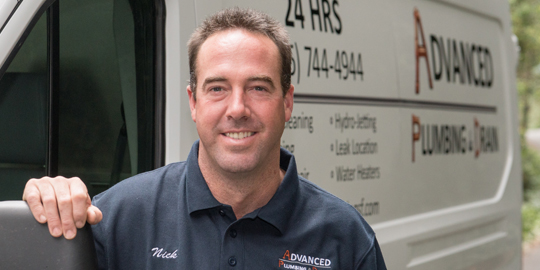
Meet Our Founder: Nick, Master Plumber & Owner
Nick is the owner of Advanced Plumbing & Drain, bringing years of professional plumbing expertise to the San Francisco Bay Area. Driven by core values of integrity and exceptional craftsmanship, he leads a fast-growing team specializing in comprehensive residential and commercial repairs, drain cleaning, and water heater solutions. Nick is dedicated to ensuring every job is completed right the first time, earning long-term trust across San Francisco and San Mateo County.


