

Clean, safe water should always travel in one direction—into your home. However, water can occasionally reverse its flow and draw toxins into your drinking water. This is known as backflow, and it occurs more frequently than most homeowners realize. So, which method will prevent backflow and safeguard your home from contaminated water? Let’s look at what causes backflow, how to identify it, and what you can do about it.
What Is Backflow?
Backflow occurs when water flows in the backward direction: out of your pipes and back into your water supply. This reversal can introduce harmful compounds into your system, transforming a minor plumbing problem into a significant health danger.
Reverse Water Flow Explained
When backflow occurs, wastewater or non-potable water mixes with pure water. Instead of traveling away from your fixtures, it returns to the pipes.
Common Areas at Risk
Certain plumbing systems are more susceptible than others. This includes:
Irrigation
Lawn sprinkler systems that are not adequately safeguarded can readily draw chemicals and fertilizers into the water supply.
Fire Sprinklers
Although these systems are critical for safety, they can become a source of contamination during pressure decreases.
Toilets
Toilets are directly connected to wastewater. Without effective protection, tainted water might backflow into the clean supply.
Why Does It Happen?
Backflow in home and commercial plumbing is often caused by three factors:
Pressure Changes
An abrupt reduction in water pressure, such as after a water main break, might cause the flow to reverse direction.
Siphoning
If a hose is submerged in a dirty bucket and the pressure changes, it might suck water back into the system.
Cross-Connections
Unsecured connections between clean and filthy water pipes are risky.. These require a backflow prevention device to stay safe.
Which Method Will Prevent Backflow in Plumbing Systems?
The right method depends on your plumbing setup. However, three proven methods stand out.
Installing a Backflow Preventer
A backflow preventer is a valve that keeps water from flowing backward. It is one of the most effective ways to determine which strategy will prevent backflow in both residential and commercial systems.
Using an Air Gap
An air gap is the vertical distance between a water outlet and the greatest potential water level in a fixture. For example, your sink faucet is located above the rim of the sink. This gap prevents unclean water from being siphoned back into the faucet. It’s a simple and dependable procedure.
Installing a Vacuum Breaker
A vacuum breaker eliminates suction in your pipes. When water tries to reverse flow, it lets air in instead of water, which stops backflow in its tracks.
Backflow Into the Drinkable Water Supply
Now that you understand how it works, here’s why this matters for your health.
Health Risks of Contaminated Tap Water
Contaminated water may include chemicals, bacteria, or sewage. If backflow into the drinkable water supply occurs, your family may become gravely ill from waterborne infections.
Best Backflow Preventers for Drinking Water Systems
Not all devices are created equal. Here are the best ways to keep your tap water clean:
Double Check Valve Assembly (DCVA)
This device includes two check valves for further security. It is dependable and widespread in households and small enterprises.
Reduced Pressure Zone Device (RPZ)
An RPZ provides superior protection against dangerous pollutants. It is particularly effective in business settings or locations with chemical exposure.
Where Is a Backflow Prevention Device Typically Installed?
Backflow prevention devices are commonly found when plumbing links to outside water sources, such as hose bibs, sprinkler lines, or your water meter. Professionals install them so that they can safeguard your main water supply from contaminants.
How to Detect Water Leaks That Could Indicate a Backflow Issue
Sometimes, a leak is your first clue that backflow might be happening.
Signs of a Water Leak in the Yard
Water Pooling or Soggy Grass
If water is bubbling up in your yard or driveway, a leak or backflow problem may be to blame.
Drop in Water Pressure
If your shower weakens or faucets run slowly, your system may be struggling with pressure imbalances from backflow.
Unusually High Water Bills
A sudden increase in your water bill can mean a leak or pressure loss in the system—often tied to a backflow problem.

How to Prevent Backflow in Your Property
A leak might be the first indication that backflow is occurring.
Install the Right Backflow Preventer or Backflow Prevention Device for Each Connection
Select a device based on your system’s risk level. For some fittings, an air gap may be sufficient. Others need a backflow preventer, such as an RPZ.
Maintain and Test Devices Annually
Even the most excellent equipment requires upkeep. Most localities demand annual testing, particularly for commercial establishments. Do not skip this step.
Don’t Ignore Warning Signs Like Gurgling or Staining
Noisy drains, rust stains, or water discolouration may indicate backflow. Don’t dismiss these symptoms as minor difficulties.
Avoid DIY Plumbing in High-Risk Systems
Are you inspired to fix anything yourself? Leave high-risk systems, such as irrigation or pool hookups, to a qualified plumber. One error can result in contamination.
Contact Advanced Plumbing for Backflow Prevention in San Francisco
So, which method will prevent backflow in your home? It depends on your arrangement, but a qualified plumber may help you find the perfect solution. Whether you need a new backflow prevention device, annual testing, or a repair, professional assistance is essential.
Backflow is more than simply a plumbing issue; it is a threat to your health and safety. Protect your house with adequate preventive and regular inspections.
Contact Advanced Plumbing immediately to set up a backflow inspection or device installation in San Francisco. Maintain clean water and safe plumbing with reliable pros.
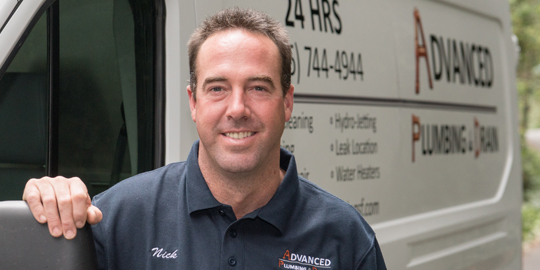
Meet Our Founder: Nick, Master Plumber & Owner
Nick is the owner of Advanced Plumbing & Drain, bringing years of professional plumbing expertise to the San Francisco Bay Area. Driven by core values of integrity and exceptional craftsmanship, he leads a fast-growing team specializing in comprehensive residential and commercial repairs, drain cleaning, and water heater solutions. Nick is dedicated to ensuring every job is completed right the first time, earning long-term trust across San Francisco and San Mateo County.


